The Modern Ancient Roman
By Rana Blan, who studied abroad in Rome, Italy, and Istanbul, Turkey, Spring 2025
Rome in itself is a time capsule city that transports all who enter it into an era of rich history. It serves as the home to approximately 3 million people, but also as one of the most popular destinations in the world, and can be called one of the homes of tourism. Living in the midst of Rome for an extended period of time, you become a temporary resident, with the mentality of a Roman, and the appearance of a tourist. Beyond the surface though, we are torn apart between the deeply urban and historical facets of this city. Living in a city, we become accustomed to the methods of transportation in the modern era, partaking in the daily life activities as the Romans do, whether it’s going to studio, getting groceries, or shopping. In a city that may be seen as regular, these mundane activities may become numbing, not worth giving another
thought to. However, within the historical context in the Roman urban landscape, it serves a path directly into the past, living as both the ancient and modern Romans did.
It was quite interesting the mental progression we as architecture students had while in this dichotomy. In the beginning, we were constantly in awe of the historical and religious elements that make Rome so beautiful, truly feeling as though we were transported back to living within ancient Rome. However, as the trip progressed, we became more used to it – not to say that we still weren’t just as filled with awe as we
were initially- simply just more accustomed to seeing it as part of our everyday life, much like the modern Romans now who live within these pockets of history is an urban context.
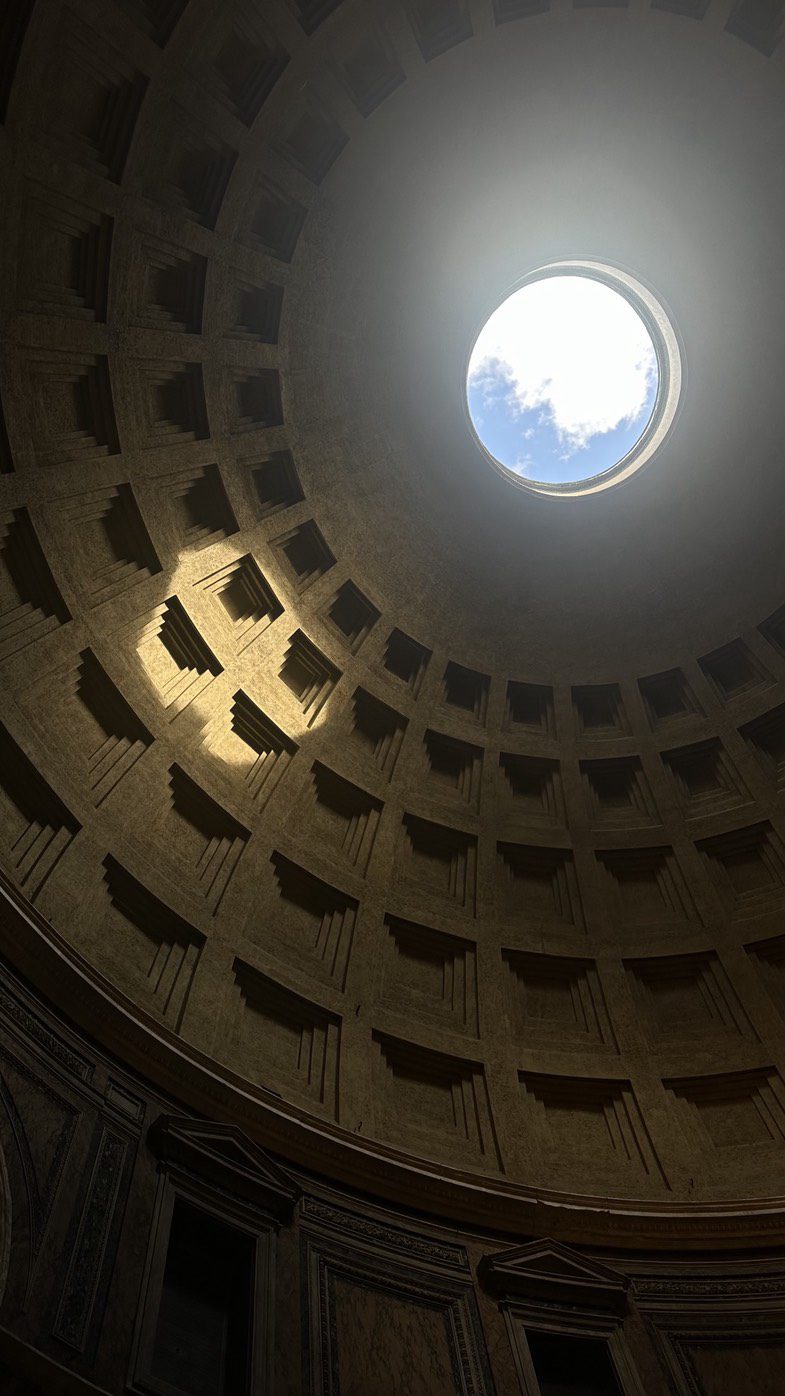
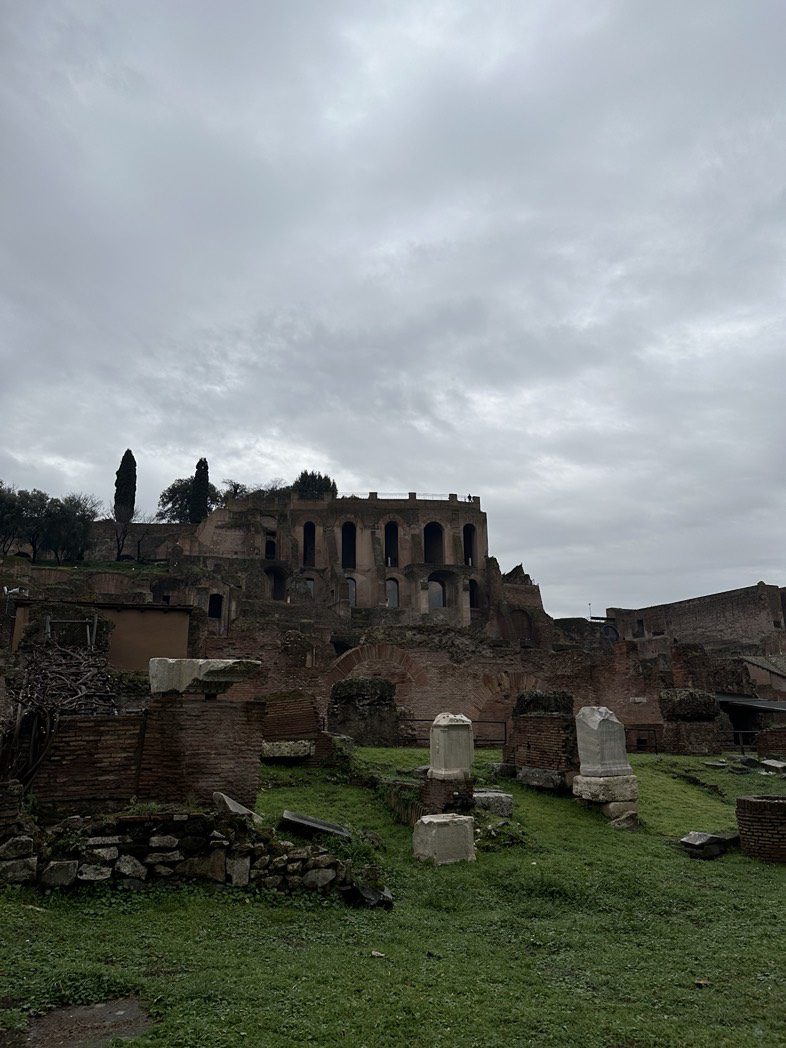
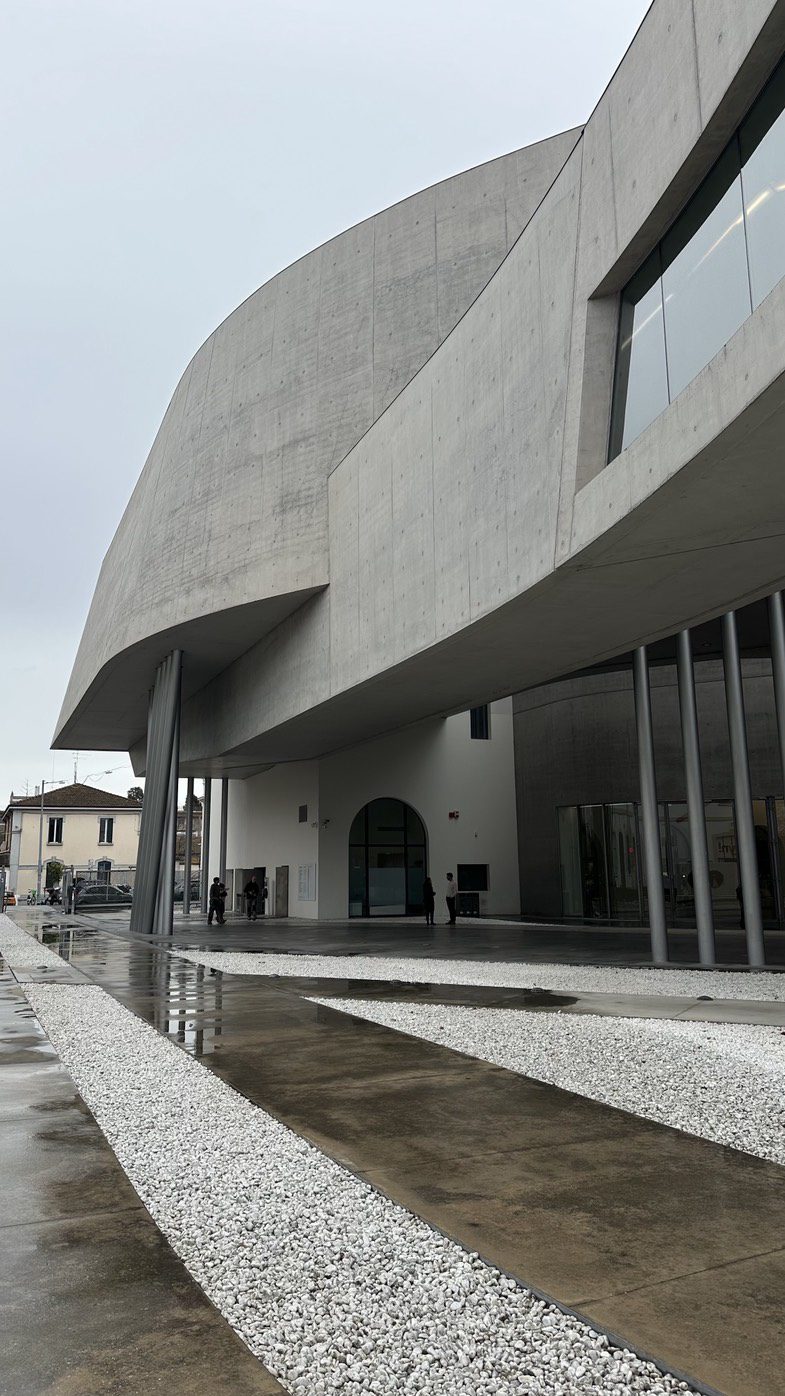
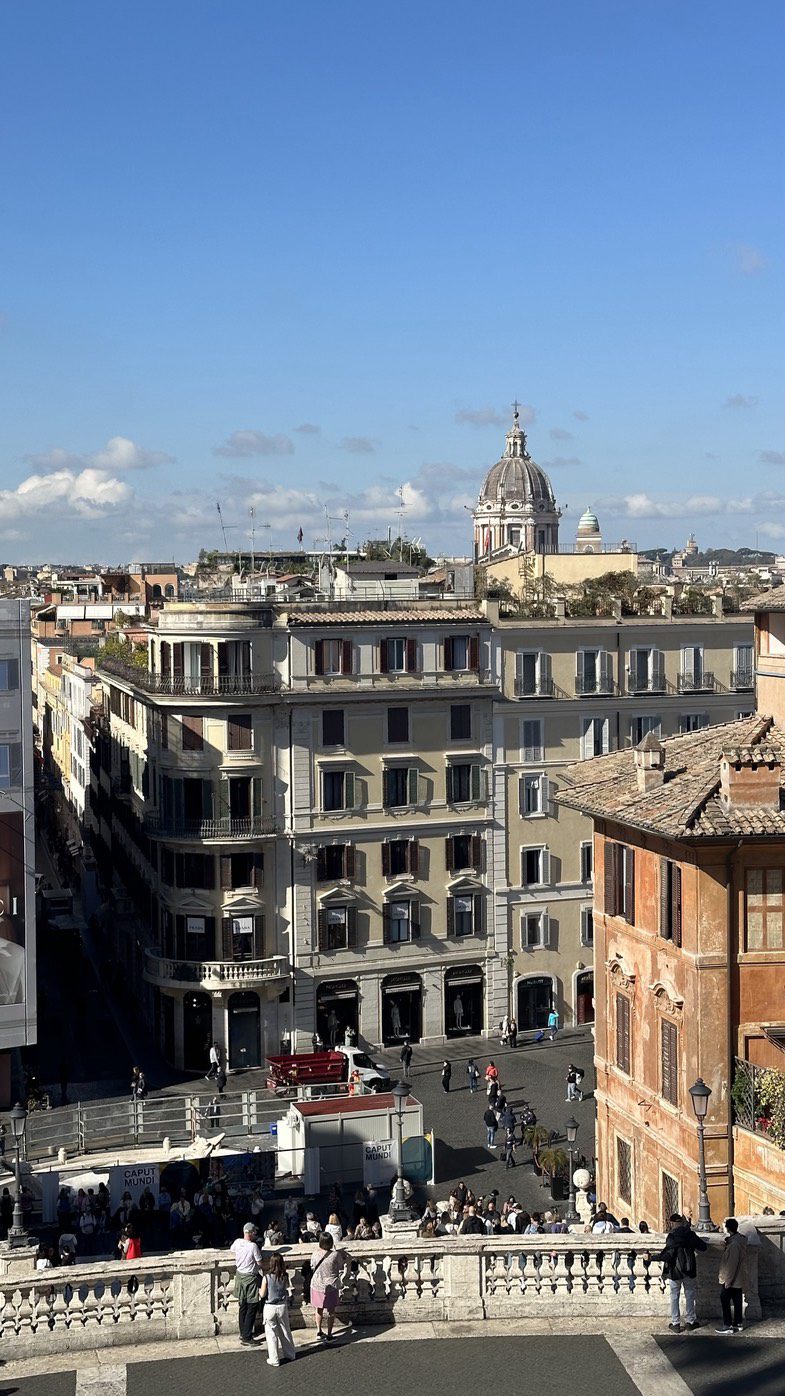
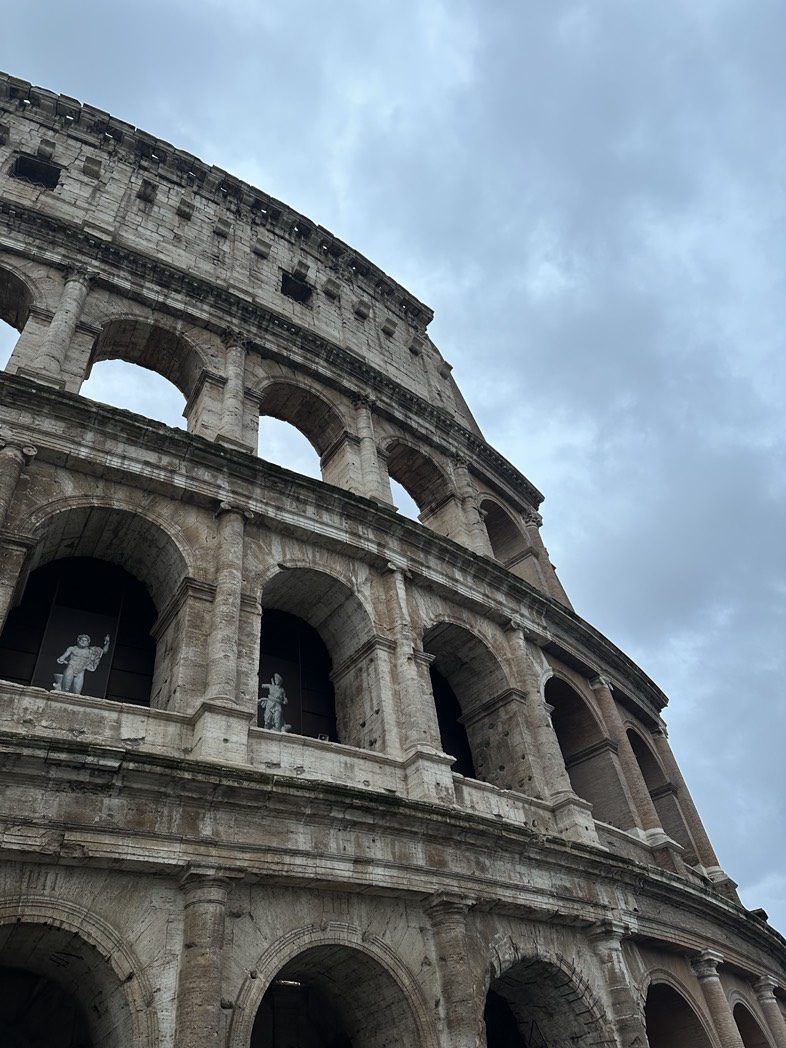
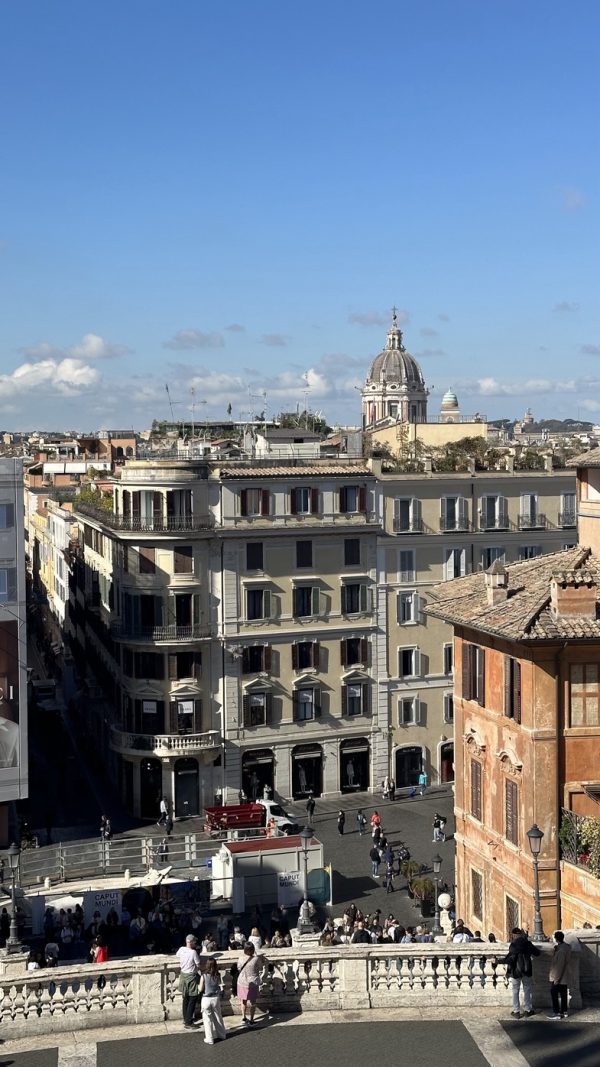
As architecture students, we are constantly fed images of significant works of design all around the world, with quite a few of them being notably from Italy. Having the opportunity to not only see these works of art in real life, something that we only previously thought plausible from behind a screen, but to actually walk through them and see the incredible details and intent behind these designs is truly a once in a lifetime experience, particularly when being in the headspace of an architect rather than a tourist. The mental transformation from tourist to ‘local’ allows us to contextualize our places in our lives and how we can truly envision our futures. Perhaps one day we may become full fledged modern Romans, becoming a part of the modern ancient city. In my images, I capture the duality of historical architecture and the urban landscape in Rome.